


Do Bathroom Tiles Need Sealing? Clear Answers
A newly tiled bathroom can look finished on installation day, but the question of do bathroom tiles need sealing is worth answering before the room is put to daily use. The right answer depends on the tile material, the grout and the products used in the installation. Sealing can protect vulnerable surfaces from staining and moisture absorption, but it is not a substitute for proper bathroom waterproofing.
For most Brisbane bathrooms, the priority is to identify what is porous and protect that material correctly. Applying sealer to the wrong surface will not improve the job. In some cases, it can leave residue, affect the appearance of the tile or create a maintenance issue that never needed to exist.
Do bathroom tiles need sealing?
Most glazed ceramic and porcelain bathroom tiles do not need sealing. Their fired, glazed or dense surface is designed to resist water absorption, making them well suited to shower walls, bathroom floors and splashback areas. Adding a penetrating sealer to these tiles usually provides little benefit because there is nowhere for it to absorb.
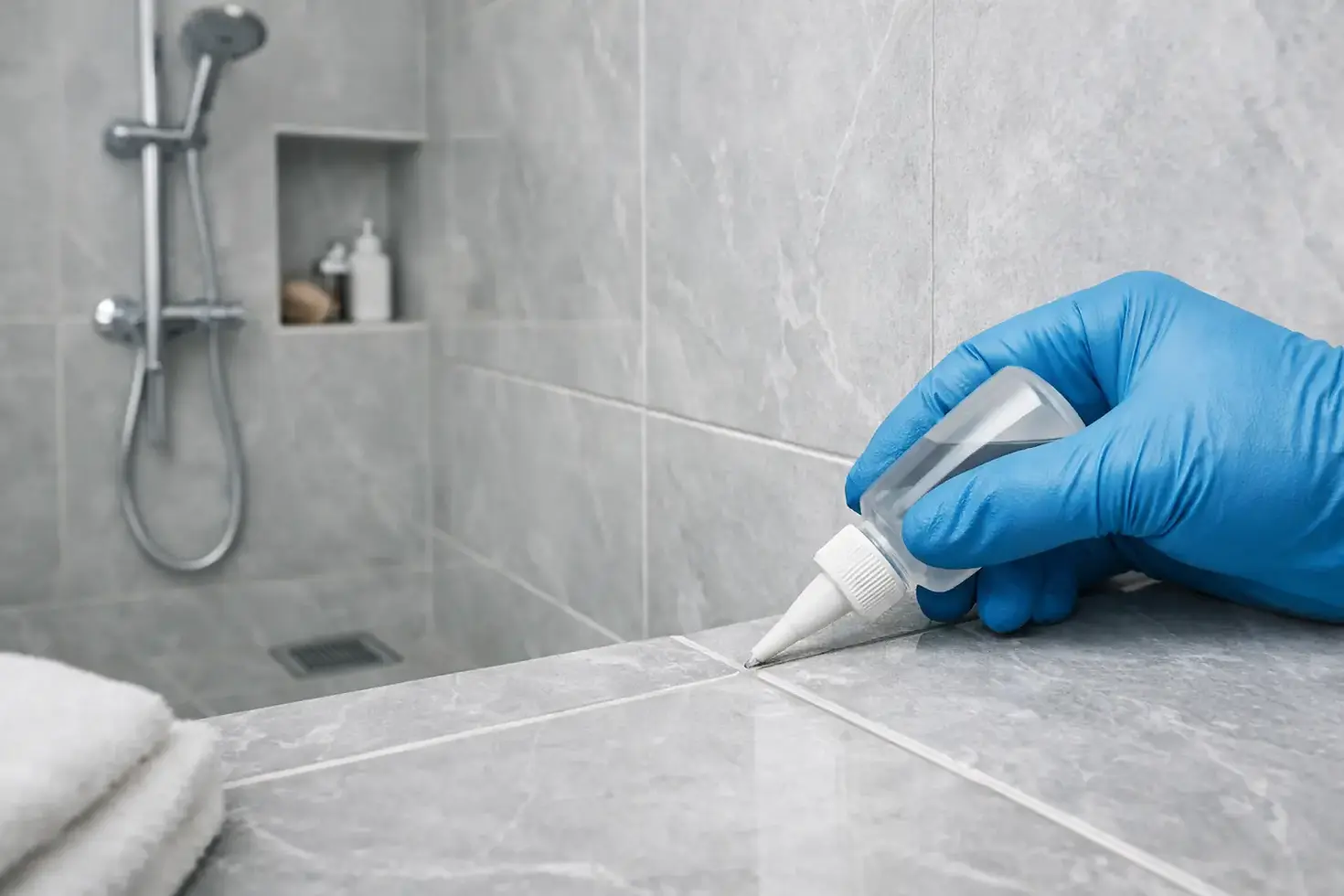
Grout is different. Standard cement-based grout is porous, even when it has been installed neatly and allowed to cure properly. In a bathroom, it is exposed to steam, splashes, soap residue, shampoo, body oils and cleaning products. A suitable penetrating grout sealer can reduce the amount of moisture and staining the grout absorbs, making routine cleaning easier and helping it retain a cleaner, more even colour.
Natural stone tiles, unglazed porcelain, terracotta, encaustic tiles and other porous finishes often need more careful consideration. These materials may require sealing before grouting, after grouting, or both. The correct approach depends on the stone or tile type, its finish and the manufacturer’s requirements.
Tile type makes the difference
A bathroom should never be sealed by guesswork. The same clear sealer that is appropriate for a cement grout joint may be unsuitable for a polished stone tile or completely unnecessary on a glazed wall tile.
Glazed ceramic and porcelain
Glazed ceramic tiles have a protective glass-like finish. Most porcelain tiles are also very low-porosity, particularly glazed porcelain. These products are normally easy to maintain with regular cleaning and do not need a topical coating to keep water out.
The grout between them may still benefit from sealing, especially on shower floors, light-coloured grout lines and bathroom floors that see regular traffic. A quality penetrating sealer should protect the grout without forming a film on the surface.
Unglazed and textured porcelain
Some porcelain tiles have a matt, textured or unglazed finish. Although porcelain is generally dense, textured surfaces can hold soap residue, fine dirt and cleaning product build-up. Whether sealing is appropriate comes down to the specific tile. Check the product information and test an inconspicuous area before treating the whole bathroom.
A sealer should never reduce slip resistance or leave a shiny coating on a floor tile that was selected for a natural matt finish. This matters in wet areas, where a safe surface underfoot is just as important as an attractive one.
Natural stone
Natural stone deserves specialist care. Marble, travertine, limestone, slate and other stone tiles can absorb moisture and staining agents at different rates. Some are also sensitive to acidic cleaners, which can etch the surface and dull a polished finish.
A penetrating, breathable sealer is commonly used to reduce staining and moisture uptake in stone. It does not make stone maintenance-free, and it will not stop acidic products from causing damage. It simply gives the surface more resistance and buys time to clean up spills before they soak in.
Terracotta and decorative tiles
Terracotta, handmade tiles and decorative cement-based tiles are generally porous and need a product-specific sealing plan. Pre-sealing can help stop grout pigment from staining the tile face during installation. A final seal may then be needed once the grout has cured.
These products can look fantastic in the right bathroom, but they are not a fit-and-forget choice. Their beauty comes with a little more maintenance, and the right preparation from the beginning makes that upkeep far easier.
Sealer is not bathroom waterproofing
This is the key distinction homeowners should understand. Tile, grout and sealer are the visible finish of a bathroom. They are not the waterproofing system.
Water can pass through cement grout, around penetrations and through small gaps or movement points over time. The waterproof membrane sits behind or beneath the tiled surface and is designed to direct water where it needs to go while protecting the structure of the home. In Australian wet areas, this work needs to be planned and completed in line with the relevant National Construction Code requirements and applicable standards.
Sealing grout may improve day-to-day stain resistance, but it cannot repair a failed membrane, replace correct falls to the floor waste, or solve cracked tiles and deteriorated silicone. If you see persistent mould, loose tiles, swollen skirtings, peeling paint outside the shower or unexplained dampness, applying more sealer is not the fix. The area needs to be assessed properly.
When should grout and tiles be sealed?
Timing matters. Sealer applied too early can trap moisture in uncured grout or interfere with the finish. The grout must be fully cured and the tiled surface must be clean, dry and free from haze, dust, soap scum or old coatings.
For a new bathroom, follow the grout and sealer manufacturer’s curing advice rather than relying on a general rule. Cure times vary with the product, weather, ventilation and humidity. Brisbane’s warmer, humid conditions can affect drying, particularly in bathrooms with limited airflow.
For an existing bathroom, clean the grout thoroughly first. If it is stained, mouldy, cracked or missing in sections, address those issues before sealing. Sealing dirty grout can lock in the discolouration and leave the bathroom looking patchy.
How to tell if existing grout needs resealing
A simple water test can provide a useful indication. Place a few drops of clean water on a dry grout joint away from the shower. If the water sits on the surface for a short time, the grout may still have some protection. If it darkens quickly and absorbs, the sealer may have worn away or the grout may never have been sealed.
This is only a guide, not a guarantee. Grout condition, cleaning habits and the location of the joint all matter. Shower floors and niche shelves usually wear faster than a bathroom wall, while harsh cleaners can strip or reduce the effectiveness of some sealers.
As a general maintenance approach, inspect grout annually and reseal when water no longer beads or when the product manufacturer recommends it. Avoid setting a fixed timetable without checking the surface first. A lightly used ensuite and a busy family bathroom will not age in the same way.
Choosing and applying the right sealer
For cement grout and porous stone, a penetrating or impregnating sealer is usually the practical choice. It is designed to absorb below the surface and reduce staining without creating a visible coating. Topical sealers form a layer on the surface and can alter sheen, wear unevenly or become slippery, so they are rarely the first choice for bathroom floors.
Application needs care. Use the product specified for the tile or grout, apply it evenly, allow the stated dwell time and remove any excess from the tile face before it dries. Leaving sealer to dry on glazed tiles can create a hazy residue that is difficult to remove.
Always check that the product is suitable for wet areas and for the material being treated. Strong acid cleaners, bleach-heavy products and abrasive pads can damage grout, stone and silicone, even where sealer has been used. For regular cleaning, a pH-neutral tile cleaner and a soft brush or microfibre cloth are safer choices.
The details that keep a bathroom looking right
A well-finished bathroom relies on more than a sealer. Sound waterproofing, appropriate tile selection, correct adhesive coverage, neat grout joints, properly sealed movement joints and clean silicone work together to create a durable result. Sealing is one useful part of that system, not the whole system.
If you are renovating, ask your tiler which surfaces are porous, whether grout sealing is recommended and how the selected products should be maintained. An experienced tradesperson should give a clear answer based on the actual tiles in your bathroom, rather than applying the same treatment to every job.
For homeowners who want a bathroom that stays practical as well as polished, the best time to make these decisions is before the first tile is laid. Good material choices and careful installation make maintenance simpler long after the renovation dust has been cleaned away.


Comments