


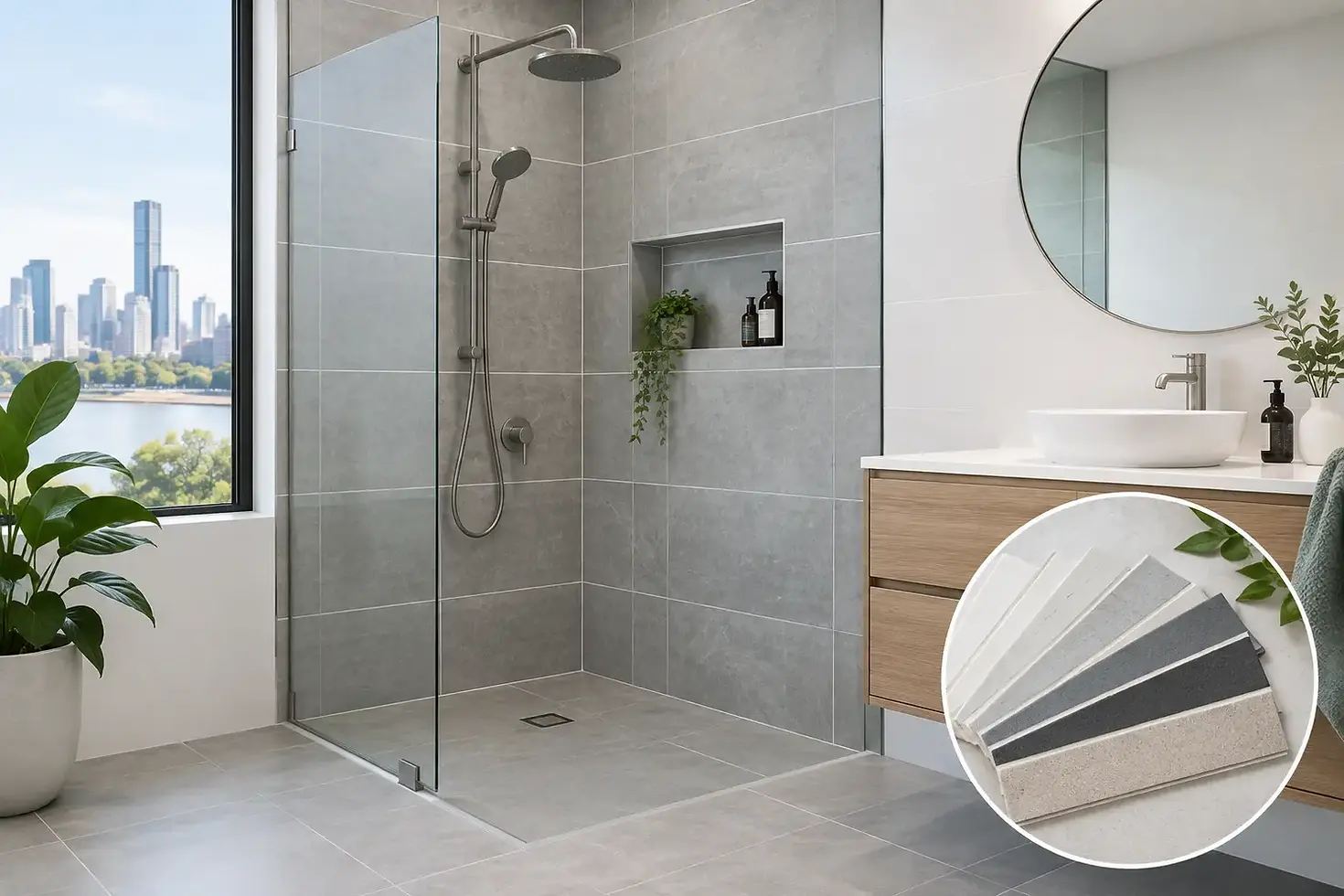
Shower Grout Choices That Last in Brisbane Bathrooms
A shower can be tiled beautifully and still look tired early if the grout is the wrong type, colour or width for the space. Good shower grout choices need to suit the tile, the amount of daily use, and the detail work around corners, floors and fittings. They also need to sit within a properly prepared and waterproofed shower system - grout is not a substitute for waterproofing.
For Brisbane homeowners planning a bathroom renovation, grout is worth discussing before tiles are laid. It affects the finished look every day, but it also has a practical role in keeping joints clean, stable and easy to maintain.
Start with the shower system, not the grout colour
Tiles and grout form the visible finish of a shower. Beneath them, a compliant waterproofing system protects the structure from moisture. This distinction matters because grout, including high-performing epoxy products, should never be relied on as the only moisture barrier in a wet area.
A quality installation considers the substrate, waterproofing, tile adhesive, tile layout, falls to the waste, grout and movement joints as one system. If water is pooling on the shower floor, tiles are poorly supported, or the junctions between walls and floor are rigidly grouted, selecting a premium grout alone will not fix the underlying problem.
This is also why repairs need proper diagnosis. Stained or cracked grout may be a simple maintenance issue, but it can also point to movement, inadequate falls or water getting where it should not.
The main shower grout choices
Most residential showers use either cement-based grout or epoxy grout. Both can produce an excellent result when selected and installed correctly, but they suit different priorities.
Cement-based grout
A quality polymer-modified cement grout is a common and practical choice for shower walls and floors. It is available in a wide range of colours, works with many tile styles and is generally more economical than epoxy. Modern products perform far better than older basic cement grouts, particularly when the correct grout is chosen for the joint width and allowed to cure properly.
Cement grout is slightly porous, however, which means it can absorb moisture and soap residue over time. In a regularly used shower, lighter colours may show discolouration sooner, particularly around the floor and lower wall areas. Depending on the product, it may benefit from sealing after curing and periodic maintenance later on.
For many bathrooms, this is the sensible balance of appearance, performance and budget. The key is not to treat all cement grouts as interchangeable. Joint width, tile type and the manufacturer’s requirements all affect the right product.
Epoxy grout
Epoxy grout is highly stain resistant, very low in porosity and easier to keep clean than conventional cement grout. It is a strong option for busy family showers, white or very light grout lines, textured tiles, and bathrooms where low-maintenance cleaning is a priority.
The trade-off is cost and application. Epoxy needs careful timing, thorough washing and experienced handling during installation. If it is not cleaned correctly while being installed, residue can remain on the tile surface. It is also less forgiving than cement grout, so preparation and workmanship matter greatly.
Epoxy is not automatically necessary for every shower. On a straightforward wall tile installation, a premium cement grout may be entirely suitable. On a small mosaic shower floor with many joints, or in a heavily used ensuite, the added stain resistance can make epoxy a worthwhile upgrade.
Match grout to the tile and joint width
The size, material and finish of the tile should guide the grout selection. Large-format porcelain tiles usually have narrower joints and fewer grout lines, creating a clean, contemporary look. Small mosaics have far more joints, which provide grip and help the tiles follow the falls on a shower floor, but they also create more grout to clean.
Do not choose a grout solely from a sample card. Put the grout colour against the actual tile in the room where possible. Natural and artificial light can change the appearance noticeably, and a colour that looks soft grey in a showroom may look much darker beside white tiles at home.
Textured, matte and natural stone tiles require particular care. Some finishes can hold grout residue or be difficult to clean if the wrong product is used. Natural stone can also be sensitive to moisture, pigments and cleaning products. These tiles need product selection and preparation that suit the specific stone, rather than a one-size-fits-all approach.
Joint width matters too. A grout formulated for fine joints is not always suitable for wider spaces, and overly narrow joints can make it difficult to achieve consistent grout coverage. Tile dimensions can vary slightly between pieces, so a skilled tiler sets the layout and spacers to keep lines even while allowing for those variations.
Colour changes the whole bathroom
Grout colour can either blend into the tile or make the tile pattern a feature. Neither approach is wrong, but each brings a different maintenance consideration.
A grout colour close to the tile creates a quieter, more continuous surface. It is often well suited to large-format wall tiles and bathrooms where the aim is a calm, spacious feel. A contrasting grout defines each tile and can suit subway tiles, mosaics and more decorative layouts.
Very white grout against a shower floor can look crisp when new, but it asks more of your cleaning routine. Mid-grey, warm grey and soft beige shades are often more forgiving in family bathrooms without making the room feel dark. Dark grout can hide some marks but may show soap film or mineral residue, especially where water quality leaves deposits.
The best choice depends on the tile, lighting, ventilation and how the shower will be used. A practical decision made early can save disappointment after handover.
Corners and floor junctions need flexible sealant
One of the most common mistakes in showers is treating every joint as a grout joint. Changes of plane, such as wall-to-wall corners and the wall-to-floor junction, can move slightly as the building settles or materials expand and contract. These areas require a flexible sanitary-grade silicone sealant, selected to complement the grout colour.
Grouting these junctions creates a rigid line that is more likely to crack. A clean silicone joint allows for movement and gives the shower a finished appearance. It should also be maintained over time. If silicone becomes mouldy, separates from the tile or develops gaps, it should be assessed and replaced rather than simply covered with more sealant.
Around tap penetrations, shower rails and other fittings, neat finishing is equally important. Small gaps and rough cuts are not just cosmetic issues in a wet area.
Cleaning and maintenance that protect the finish
The right grout will last longer with straightforward care. After showering, good ventilation and occasional use of a squeegee reduce moisture sitting on the tile surface. This limits soap build-up and helps prevent mould from taking hold in grout and silicone joints.
Use a pH-neutral cleaner suitable for the tile and grout. Harsh acids, bleach-heavy products and abrasive pads can damage grout, dull some tiles and shorten the life of sealants. For natural stone, product choice is especially important.
If grout starts to darken or discolour, avoid aggressive scrubbing as the first response. A professional can help determine whether it is surface residue, mould, worn sealant, failing grout or a more significant moisture concern. Regrouting without addressing the cause can lead to the same issue returning.
Get the detail decisions right before tiling begins
The most reliable shower grout choices are made alongside decisions about tile size, layout, niche placement, floor mosaics, drainage and waterproofing. By the time tiles are fixed, the opportunity to alter joint sizes or rethink a contrasting grout design is limited.
At Quality Aussie Tilers, the focus is on getting those practical details clear before work begins, then delivering clean lines and a finish built for daily use. A well-selected grout should support the design without becoming the part of the bathroom you have to worry about.


Comments