


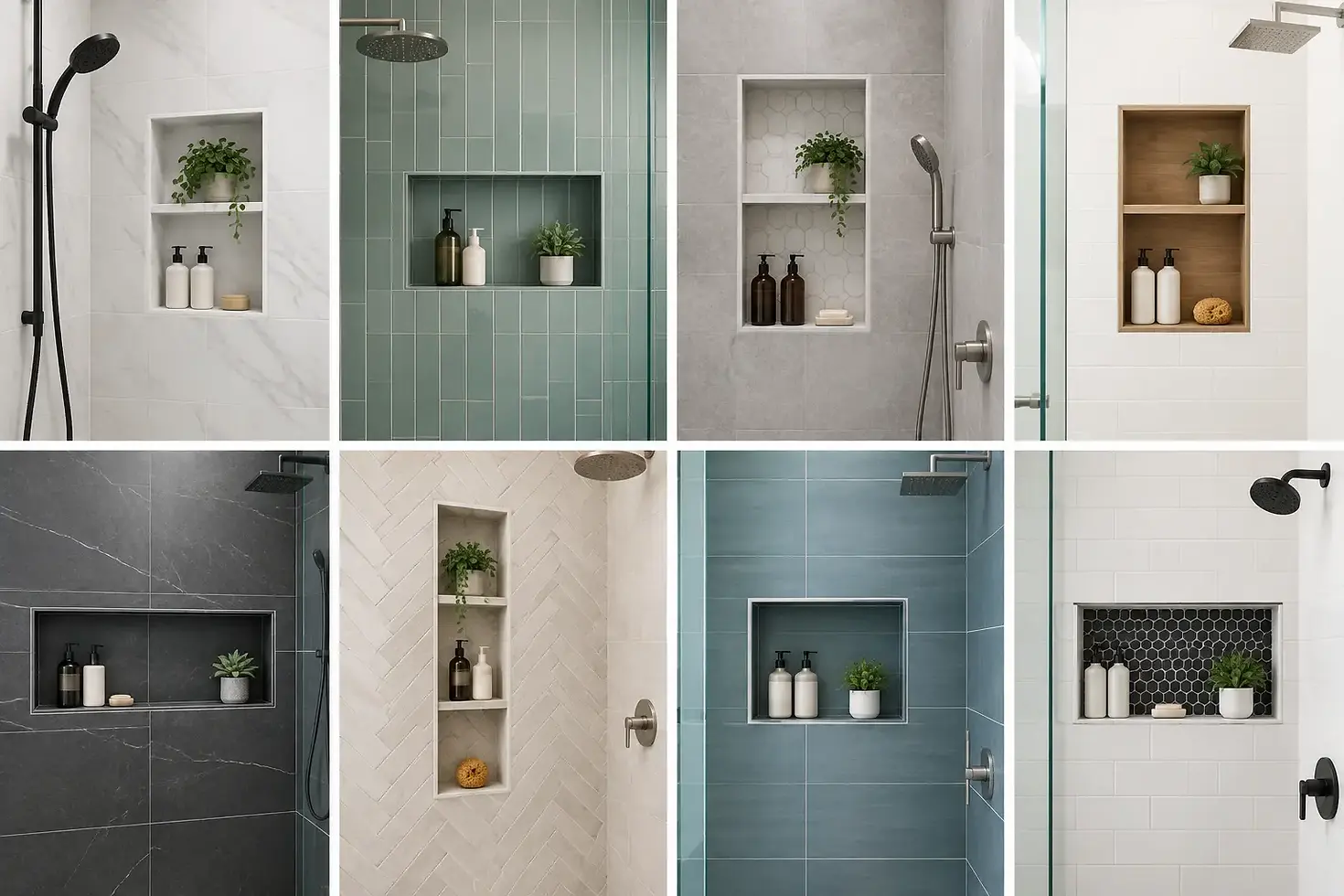
8 Shower Niche Designs for Real Bathrooms
A shower niche should make the daily routine easier, not become a hard-to-clean shelf or a future waterproofing concern. The best shower niche designs suit the way the bathroom is used, work with the tile layout and are built carefully into the wet-area system from the start.
For most homeowners, the decision is less about following a trend and more about getting the proportions right. A niche that is too small will not hold the essentials. One that is oversized or poorly placed can interrupt the feature wall and draw attention for the wrong reason. These practical options can help you choose a design that looks considered and performs well for years.
Choosing shower niche designs that suit your bathroom
Start with the products you actually keep in the shower. Tall pump bottles, family-size shampoo, razors and soap all need different amounts of space. Think about who will use the shower, where the tapware sits and whether the niche will be visible from the bathroom entry.
The tile size matters just as much. Planning a niche around full tiles or balanced cuts creates a cleaner finish than cutting a hole first and trying to make the tiles work afterwards. This is one of those small decisions that separates a polished bathroom from one that feels rushed.
1. A single horizontal niche
A long, low niche is a popular choice for contemporary bathrooms because it keeps bottles together in one easy-to-reach place. It works particularly well on the back wall of a walk-in shower, especially with larger-format wall tiles.
The trade-off is that a wide niche needs careful tile planning. If it crosses several tile lines, the grout joints should align cleanly and the ends should feel balanced. A centred horizontal niche can look excellent, but only when it relates properly to the wall width, tapware and shower screen.
2. A compact vertical niche
A vertical niche is a sensible answer where wall space is limited. It can fit neatly beside the shower rail or mixer, and it is often easier to set out with rectangular tiles. It also provides enough height for larger bottles without taking over the wall.
This design is well suited to smaller ensuite bathrooms, where a long niche may make the shower wall feel busy. Keep the opening wide enough to reach into comfortably. A narrow niche may look neat in a photo but can be impractical once bottles are inside it.
3. A full-width ledge niche
A full-width ledge, running across most or all of the shower wall, creates a strong architectural line. It can be built at a convenient height and used for toiletries, a plant or a simple display item when the shower is not in use.
This option is best considered early in the renovation, as it affects wall framing, fall details and tile set-out. It suits larger showers and can make a plain tiled wall feel more intentional. In a compact shower, however, it may be visually dominant and create more edges to clean.
4. A recessed niche with a stone shelf
Adding a stone or porcelain shelf through the middle of a taller niche creates two separate storage levels. It is useful for households with plenty of products and gives the niche a more finished appearance. Matching the shelf to the vanity top can tie the room together without overdoing the feature material.
The shelf should be cut and finished accurately, with edges that are comfortable to use and easy to wipe down. It also needs an appropriate fall so water does not sit on the surface. A good-looking shelf that holds puddles will soon become a cleaning annoyance.
5. A tiled niche that blends into the wall
For a quiet, timeless look, use the same tile inside the niche as the rest of the shower wall. This creates continuity and lets other elements, such as a freestanding bath or feature floor, take centre stage.
The detail is in the cuts. Mitred tile edges can give a crisp, minimal appearance, while purpose-made trim can be the more practical choice for some tile types and budgets. Neither is automatically better. The right finish depends on the tile, the desired look and how durable the edge needs to be in that location.
6. A contrasting feature-tile niche
A contrasting tile inside the niche gives the shower a focal point without committing to a full feature wall. Mosaic, finger tile, patterned porcelain or a deeper shade of the main wall tile can all work well.
Use contrast with restraint. A niche is a small area, so it is an opportunity to introduce texture or colour without overwhelming the room. If the floor, vanity and wall tiles already have strong patterns, a quieter niche is usually the better call.
7. Twin niches for a shared shower
In a double shower or a bathroom used by more than one person, two smaller niches can be more useful than one large opening. They can sit side by side, one above the other, or be positioned on separate walls. Each person gets their own storage space, which also keeps the wall looking tidier.
Symmetry matters with this option. Twin niches should be planned around the tile grid and positioned to avoid competing with the tapware. They also need to remain clear of shower-screen fixings and any structural elements within the wall.
8. A niche with integrated lighting
Soft LED lighting can make a niche feel more refined and improve visibility in a darker shower. It is particularly effective in large-format, neutral bathrooms where the design relies on texture and detail rather than bold colour.
Lighting brings extra coordination. Electrical work, fitting selection and waterproofing need to be considered together, not added as an afterthought. Choose lighting designed and installed for the wet-area environment, and keep access and maintenance in mind. For many bathrooms, a well-set-out niche without lighting remains the simpler and more cost-effective choice.
Size, placement and tile set-out
There is no single ideal niche size. The right dimensions come from the bottles you use, the wall construction and the tile layout. Before any wall is opened, place a few typical products together and measure them. Allow room to remove bottles easily rather than making the opening only just big enough.
Placement should feel natural from inside the shower. Avoid locating the niche directly where water from the shower head constantly hits it if another wall is available. It can still be built there, but a less exposed position usually reduces splash, soap residue and cleaning.
Also consider the view from outside the shower. A niche placed behind the mixer may be largely hidden, while one on the main back wall becomes a feature. Neither approach is wrong. It depends on whether storage should disappear into the design or become part of it.
Waterproofing is the detail that cannot be decorative
A shower niche is a penetration in a wet-area wall, so it needs the same care as every other waterproofed junction. The framing must be suitable, the substrate properly prepared, and the waterproofing system continued through the recess and around all internal corners before tiling begins.
The bottom of the niche should be formed with a slight fall towards the shower so water can drain rather than pool. Corners, changes of plane and junctions need appropriate treatment within the chosen waterproofing system. Tile, grout and silicone contribute to the finished surface, but they are not a substitute for correctly installed waterproofing behind them.
This is where cutting costs can create expensive consequences. A niche may look perfect on handover day while hidden preparation issues only show up later. For Brisbane homeowners, using a licensed, experienced tiler who understands wet-area requirements helps protect both the finish and the room behind it.
Keep the finished niche easy to live with
Choose a depth that stores products without becoming a dust-and-soap trap. Avoid overly textured tiles inside the niche if easy cleaning is a priority, and select grout colours with everyday maintenance in mind. A very pale grout can look sharp, but darker or mid-tone grout may be more forgiving in a busy family bathroom.
Most of all, plan the niche before tiles are ordered and before waterproofing starts. A well-positioned niche should feel like it has always belonged in the shower - useful every day, easy to clean and finished with the same care as the rest of the bathroom.


Comments